 how-to
Excavation Planning for Unstable Soil: A How-To Guide
Last Updated: September 30, 2026
Assess Ground Conditions Before Excavation Planning
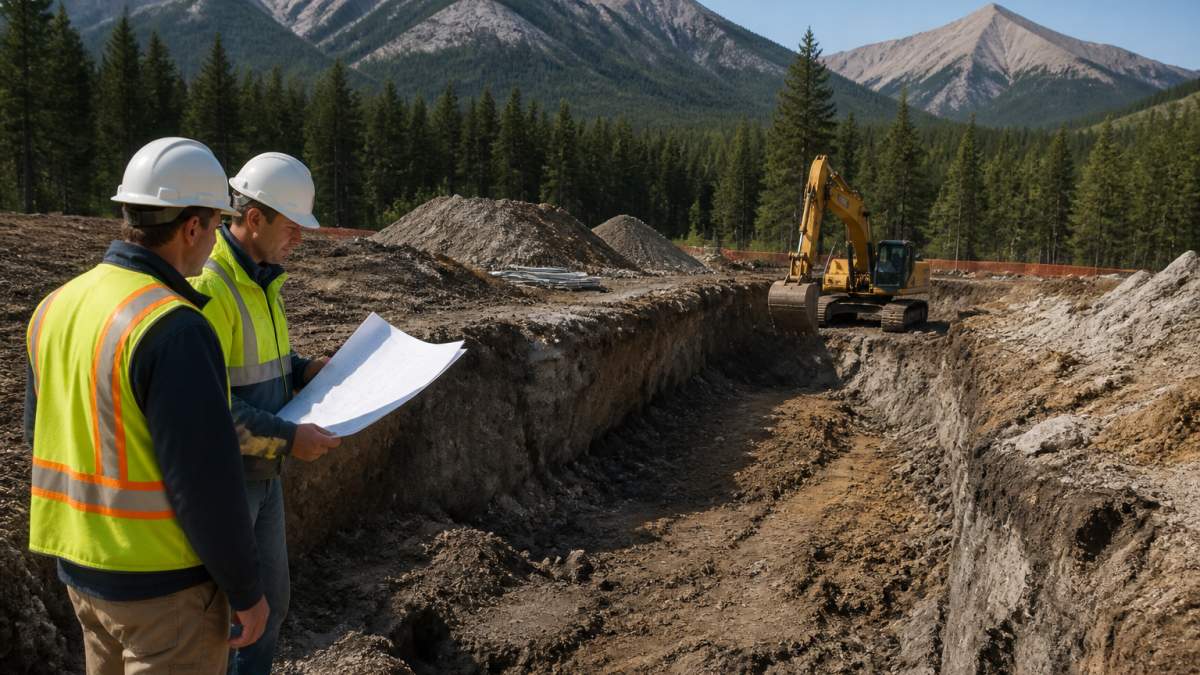
Excavation planning for unstable soil requires geotechnical assessment to identify soil composition, moisture content, load-bearing capacity, and potential hazards before work begins.
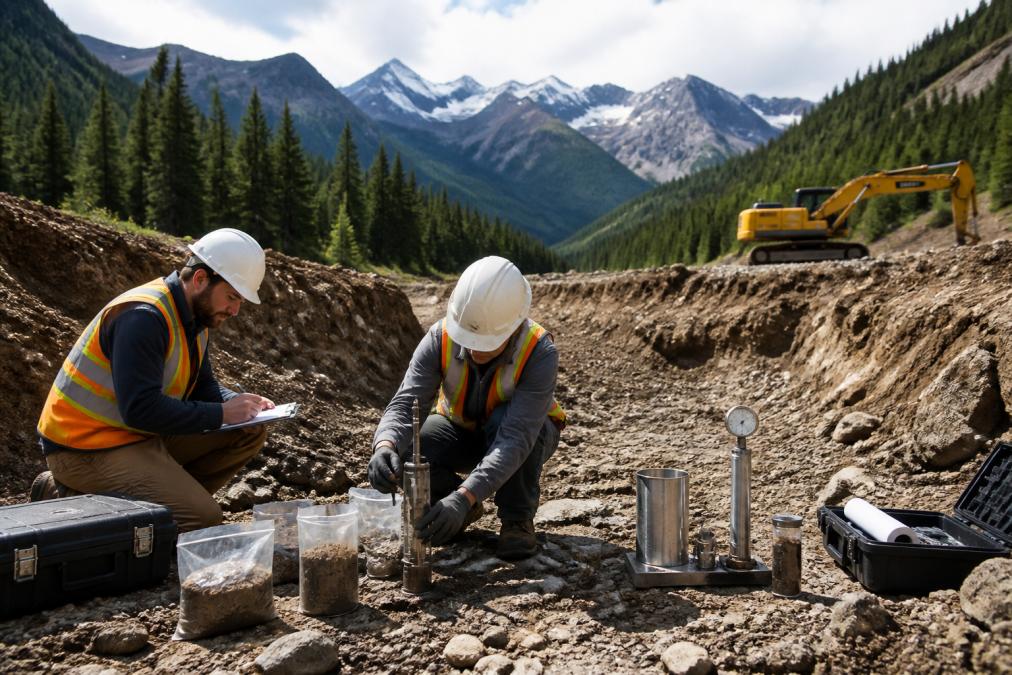
A thorough ground conditions assessment prevents costly surprises like unexpected water tables or unstable layers.
Apply OSHA Soil Classification Types and Safety Requirements
OSHA classifies soil into four types based on stability and safety risk, determining what protective measures excavation planning for unstable soil requires.
Type A (clay, silty clay) is most stable and requires minimal support. Type B (sand, silt) needs sloping or shoring beyond 5 feet. Type C (granular soils, sandy gravel) requires maximum protection. Type D represents extremely unstable conditions requiring engineering controls.
According to OSHA excavation and trenching safety standards, proper classification prevents cave-in incidents. The regulations require that all excavations deeper than 5 feet have protective systems in place.
Select Soil Stabilization Methods for Your Project
Stabilization strategy depends on soil type, project scope, and site constraints.
Compaction increases soil density for shallow projects. Grouting injects cement or chemical agents for deeper excavations. Foam injection minimizes vibration in sensitive areas. Shoring systems provide temporary support with steel plates, wooden beams, or hydraulic shores.
Compaction is fast and economical for accessible soil. Grouting penetrates deeper but takes longer. Foam injection minimizes disruption at higher cost.
Poor drainage and clay layers may require grouting, while shallow sandy excavations may only need compaction and sloping. Build contingency into schedules for unexpected conditions like contamination, bedrock, or water.
Excavation planning for unstable soil requires careful assessment, proper safety protocols, and the right stabilization method. The difference between a smooth project and a costly delay comes down to preparation. Riverbend Co specializes in comprehensive site evaluation and excavation solutions that identify risks before they become problems, keeping your project on schedule and within budget.